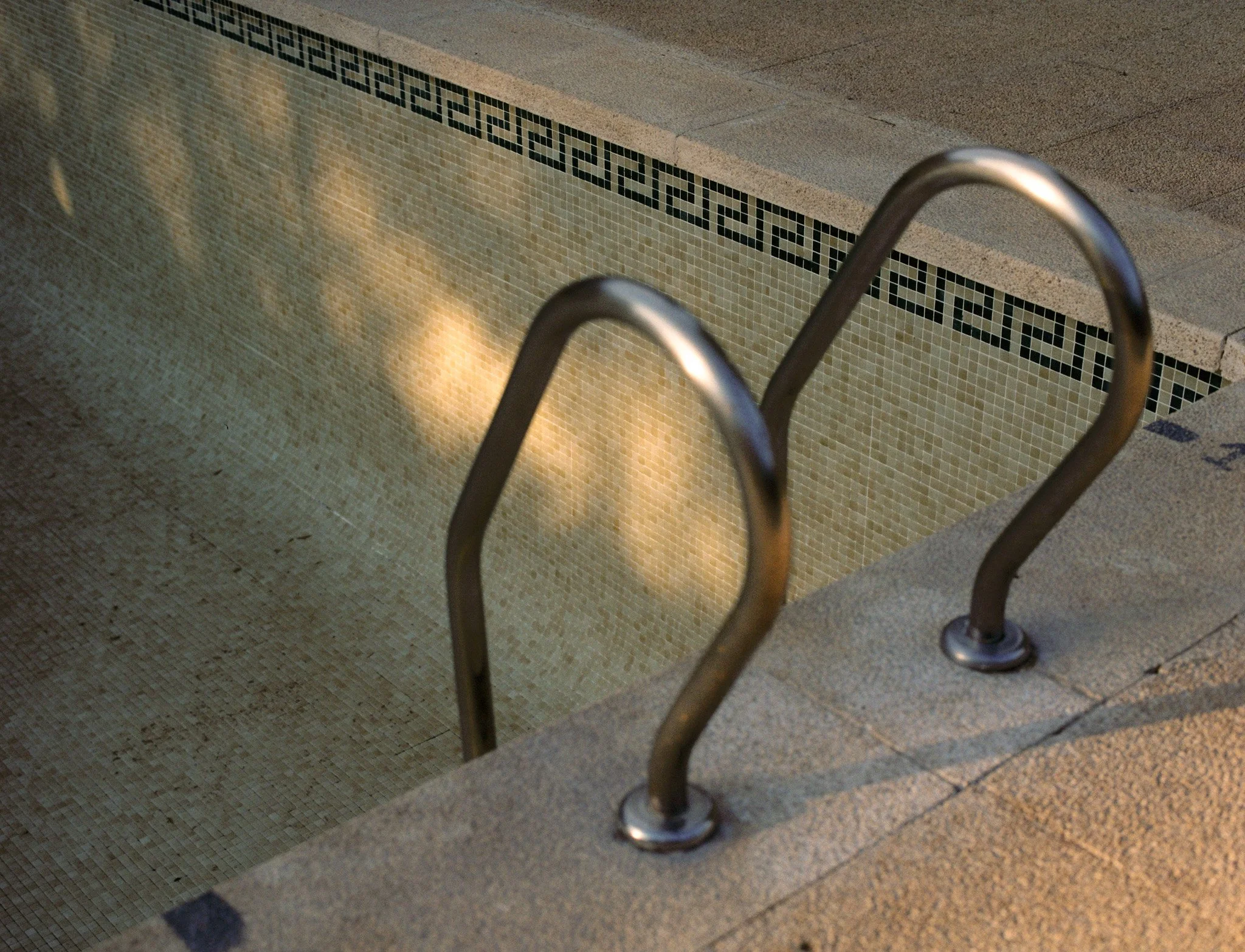
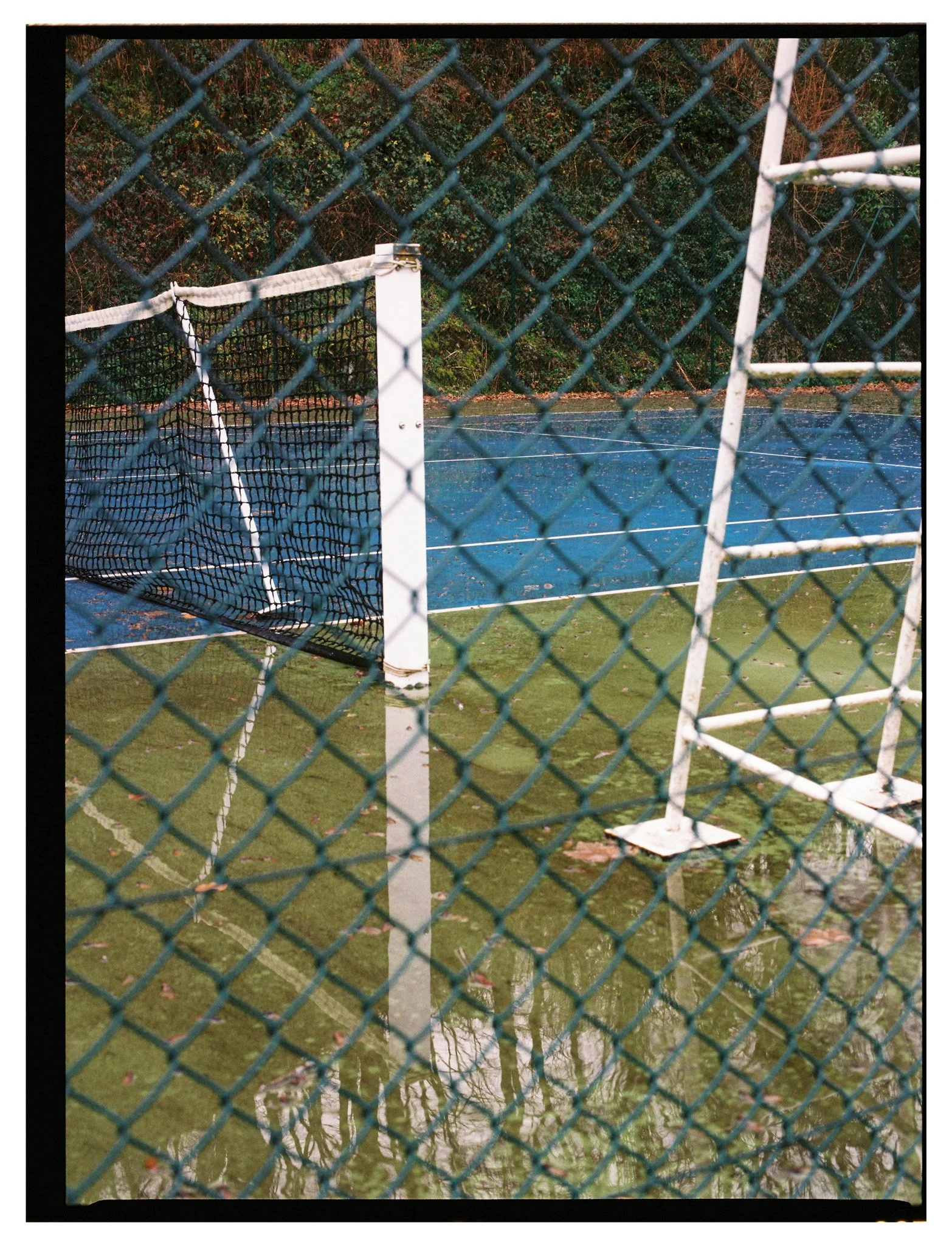
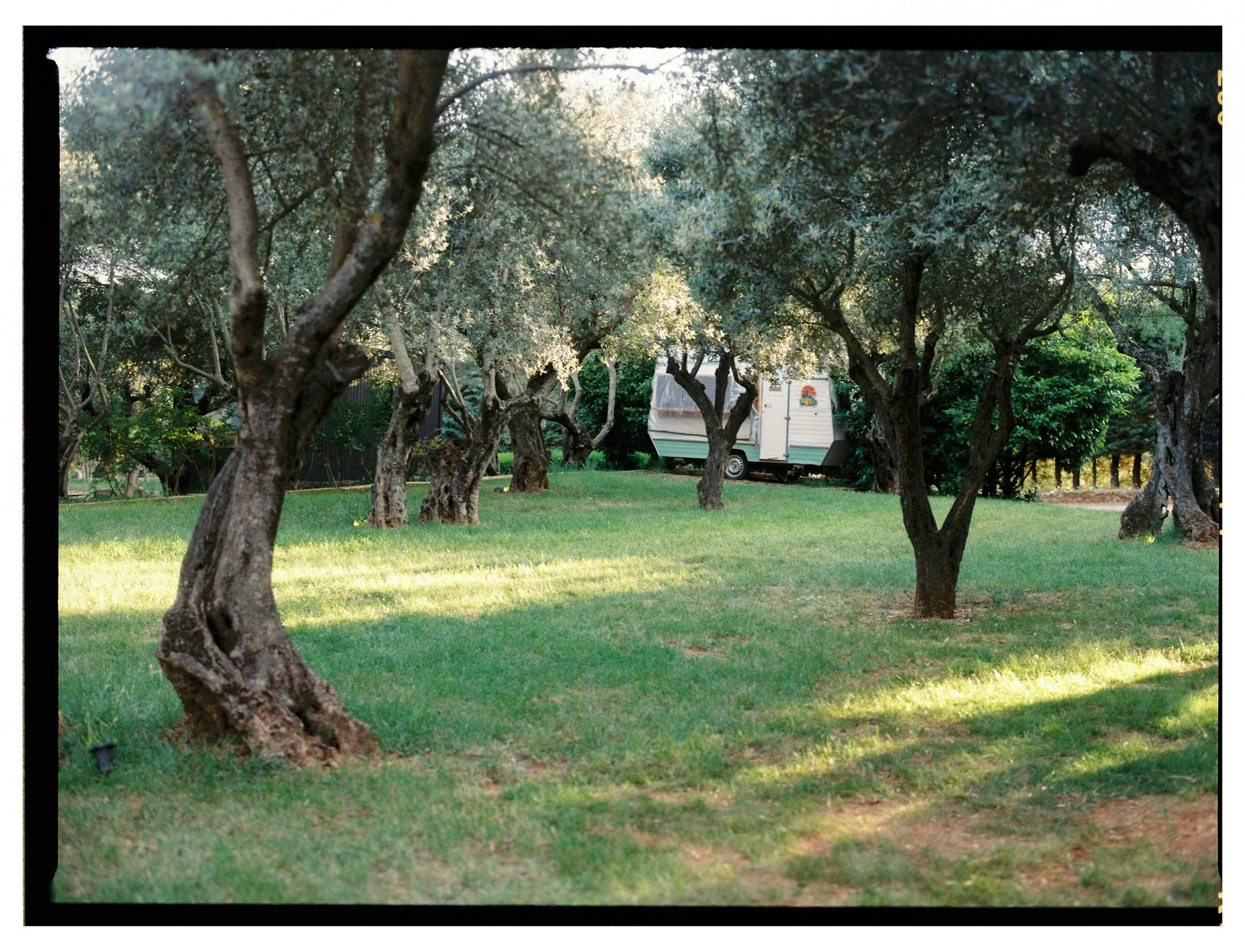
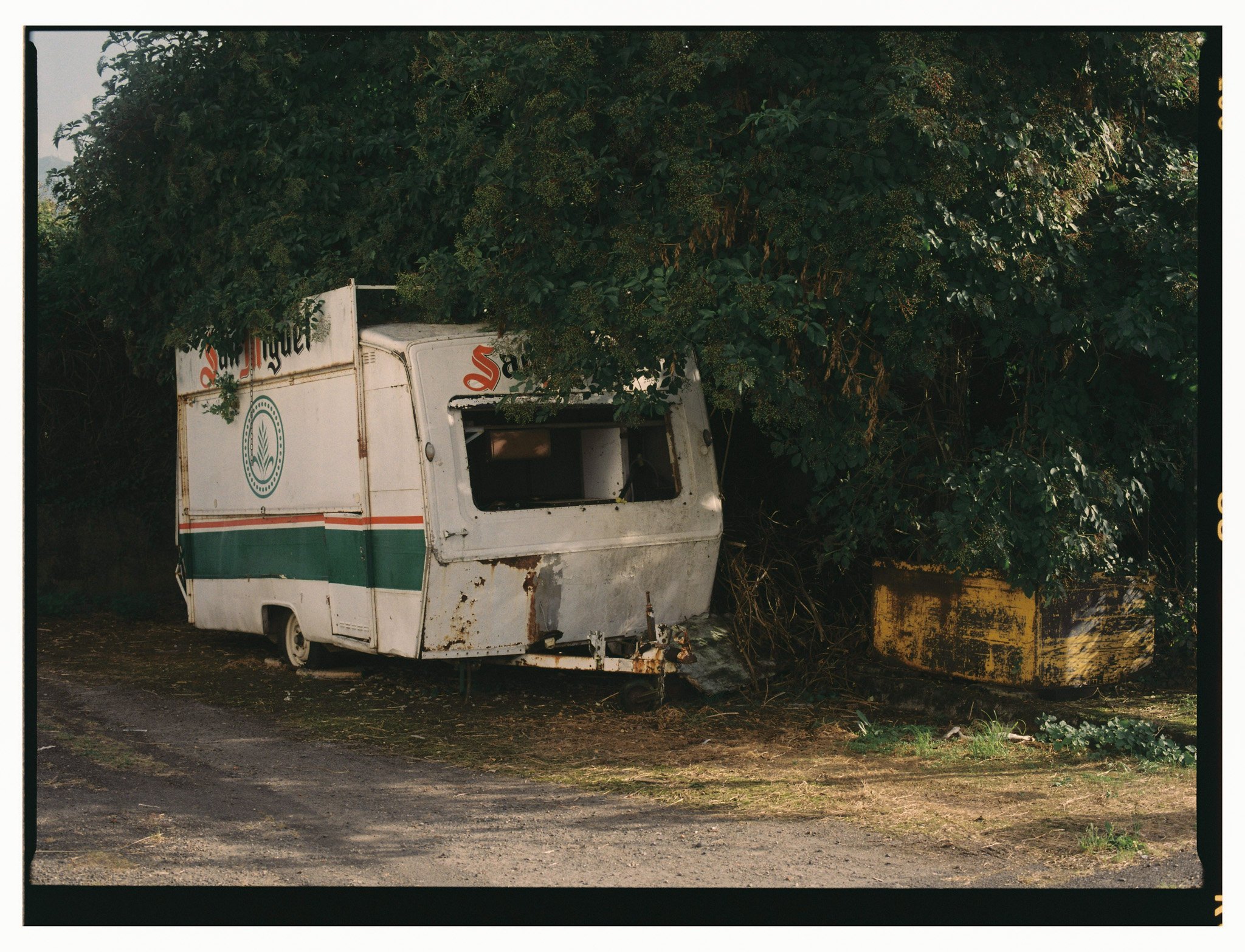
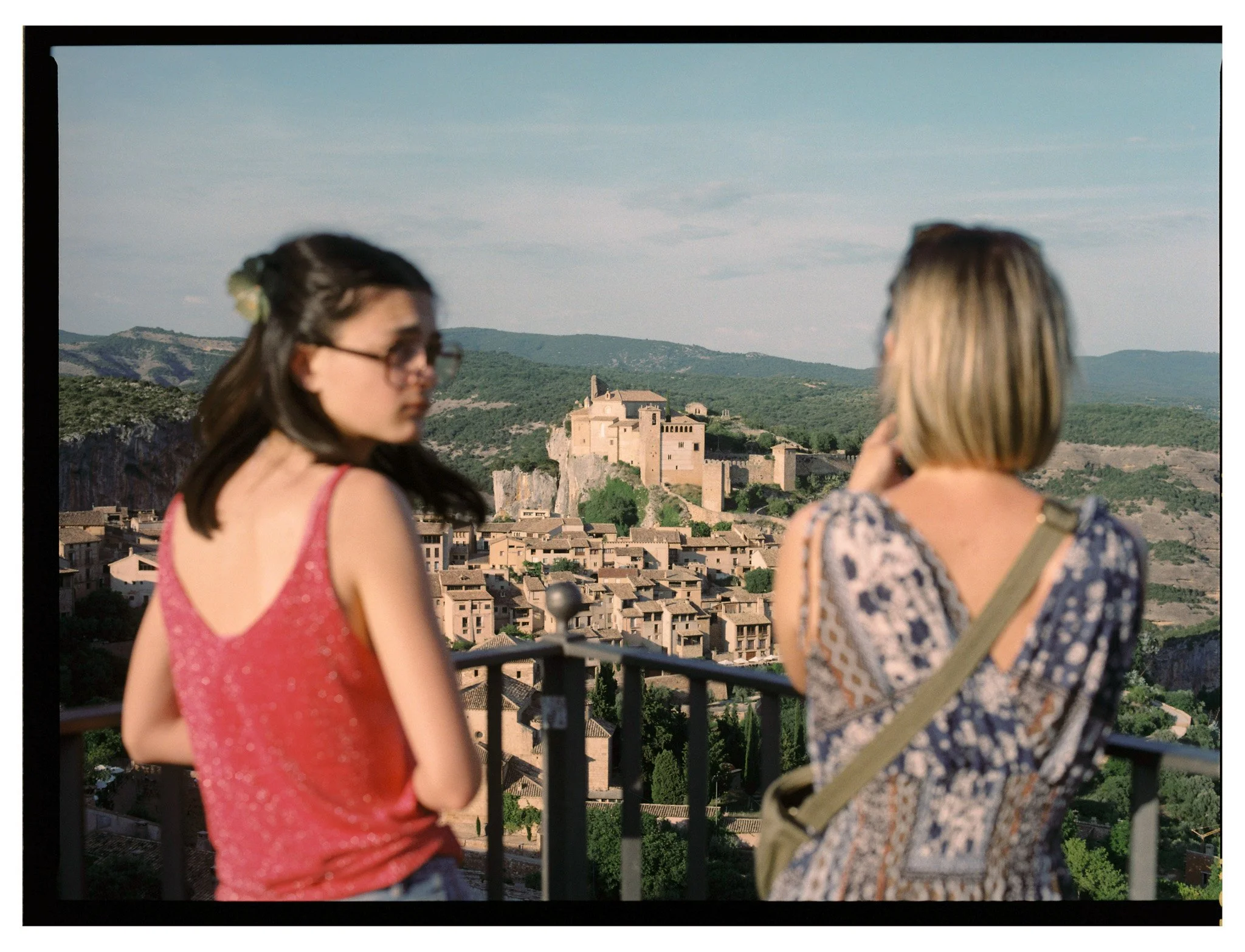
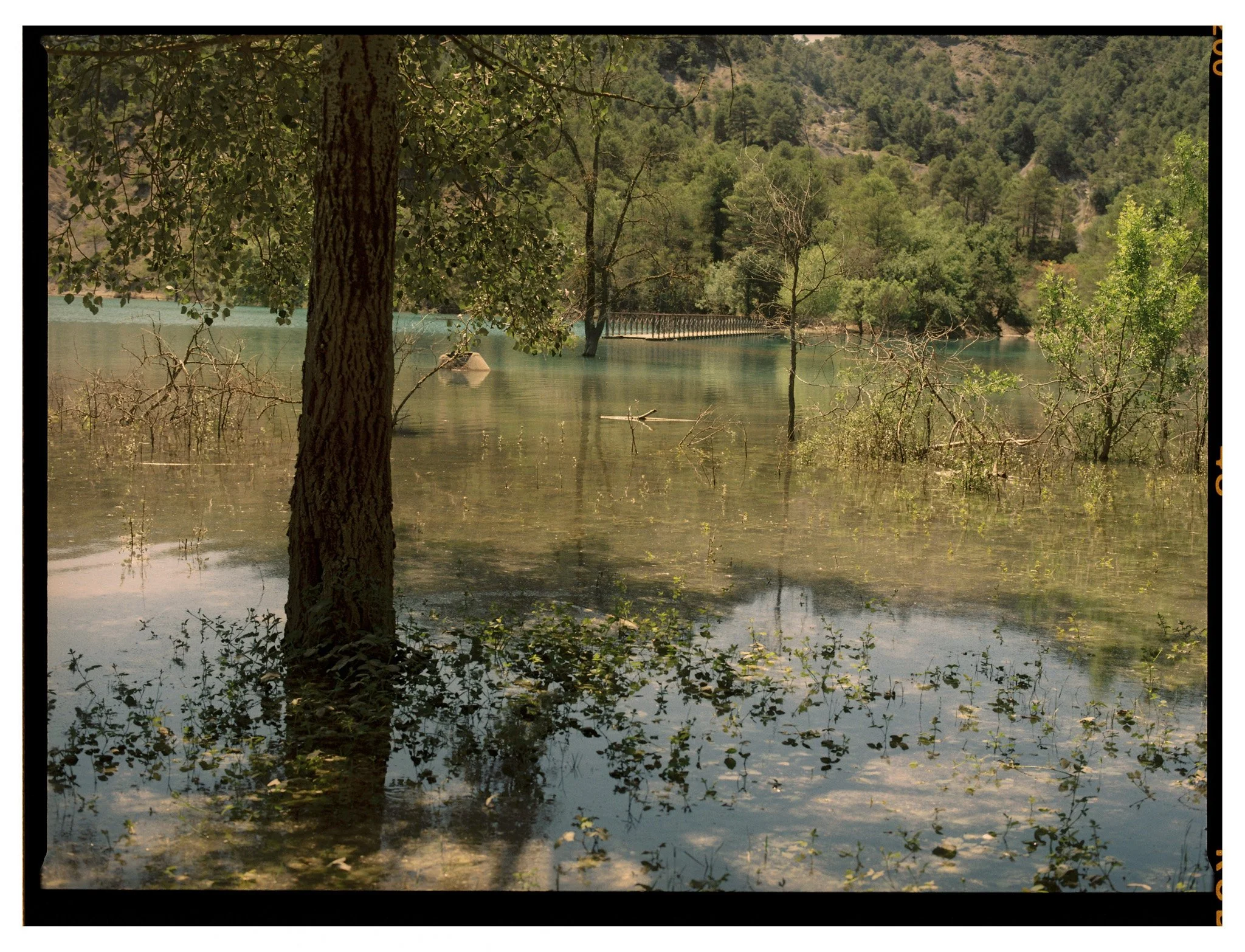
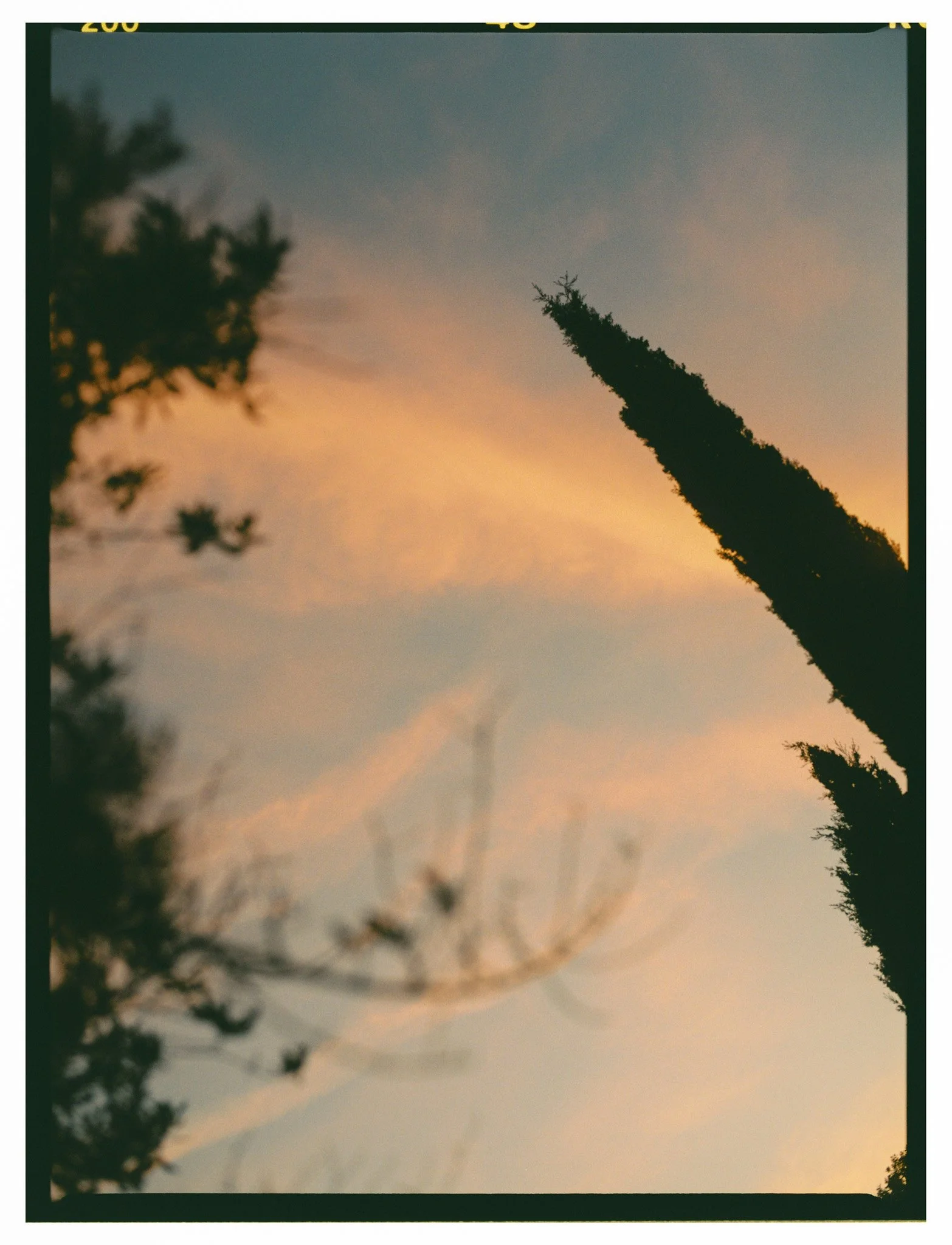
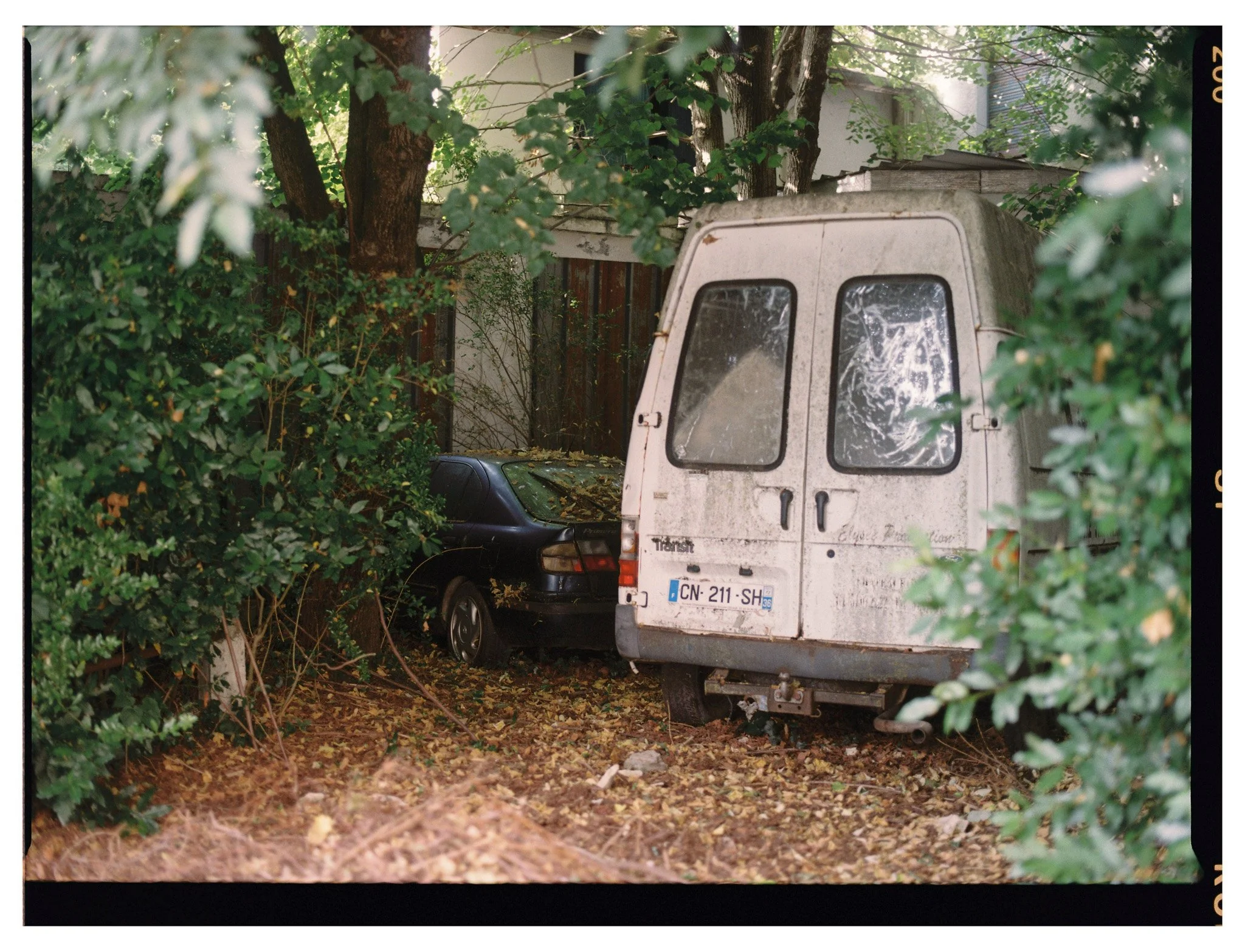
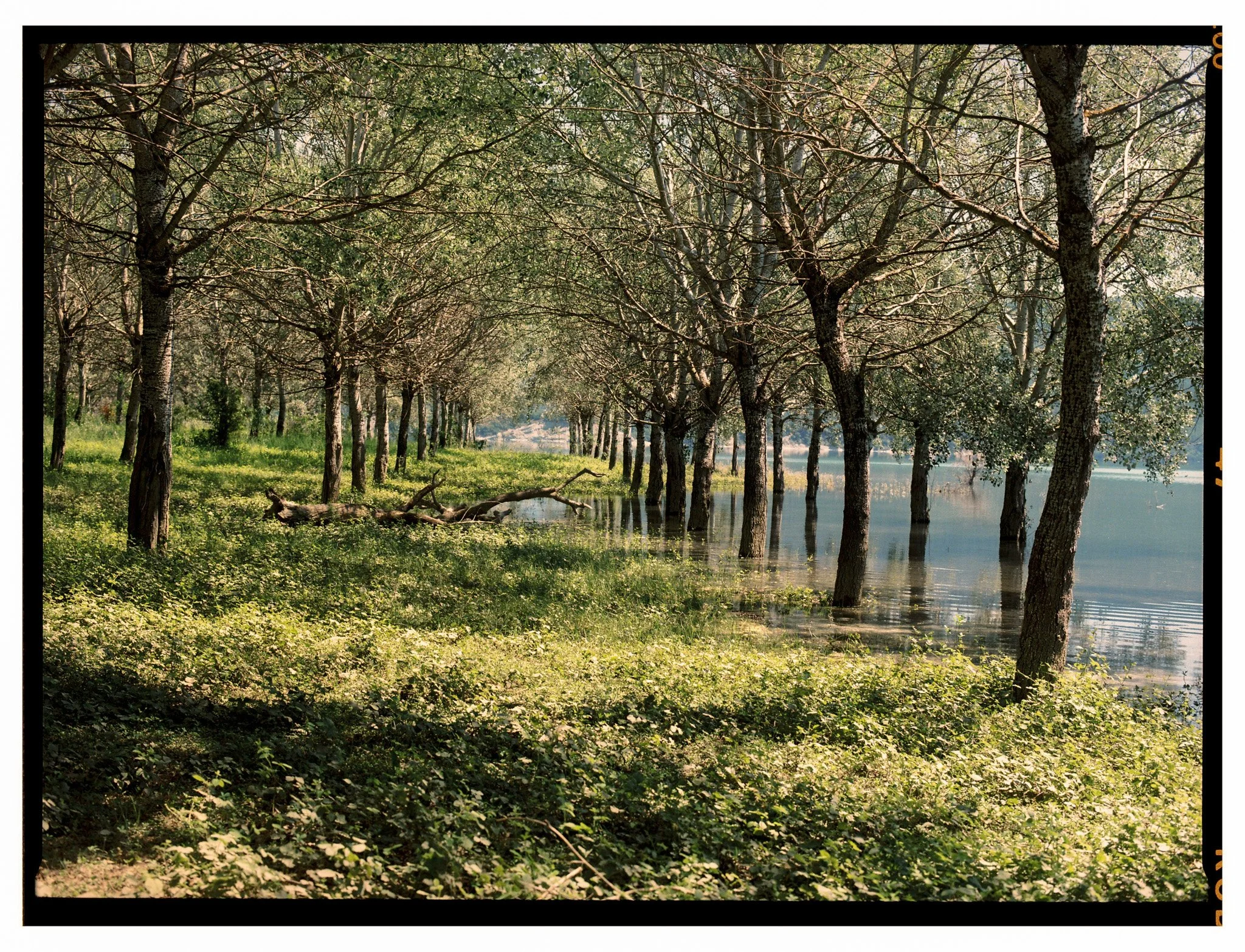
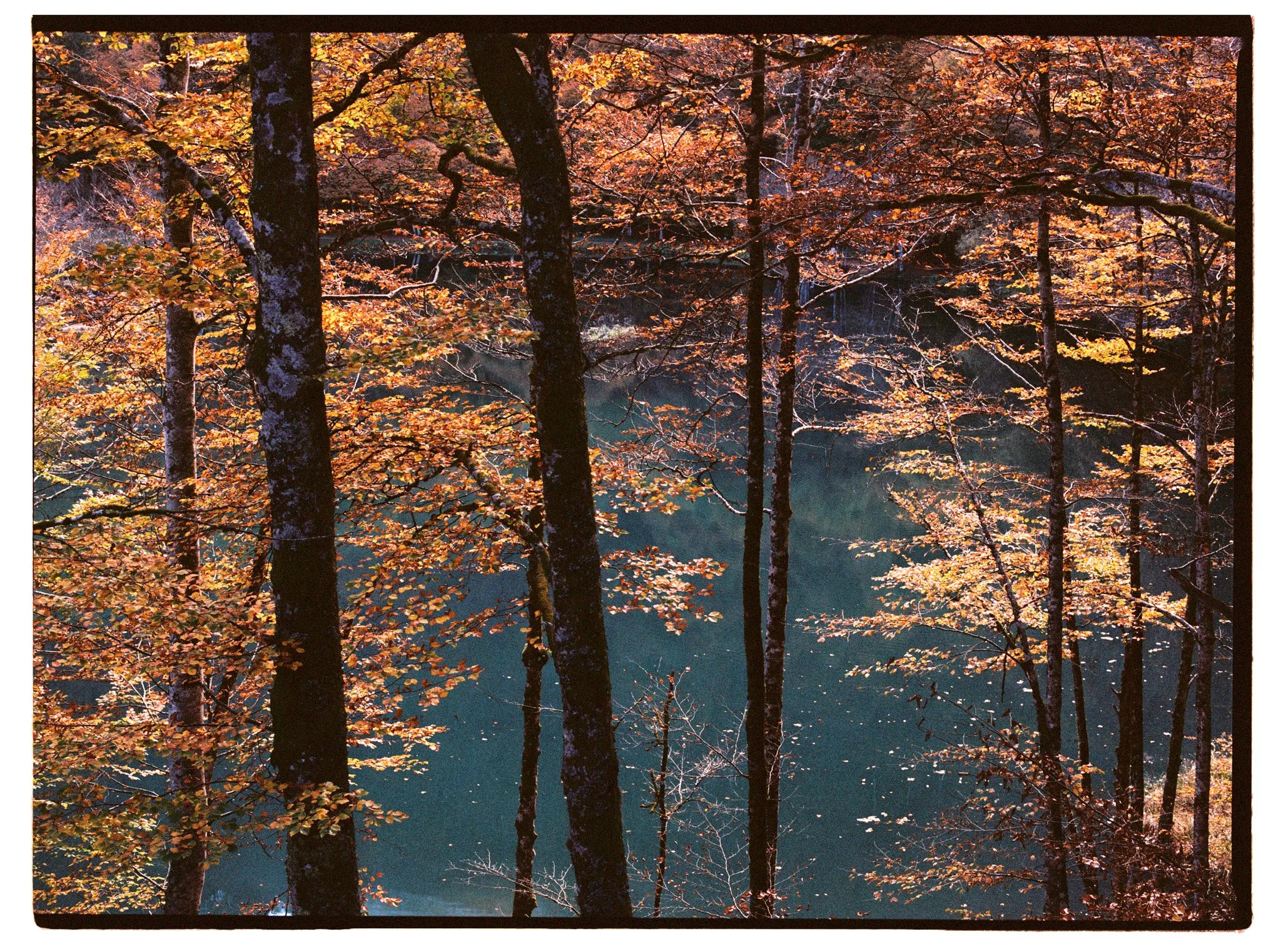
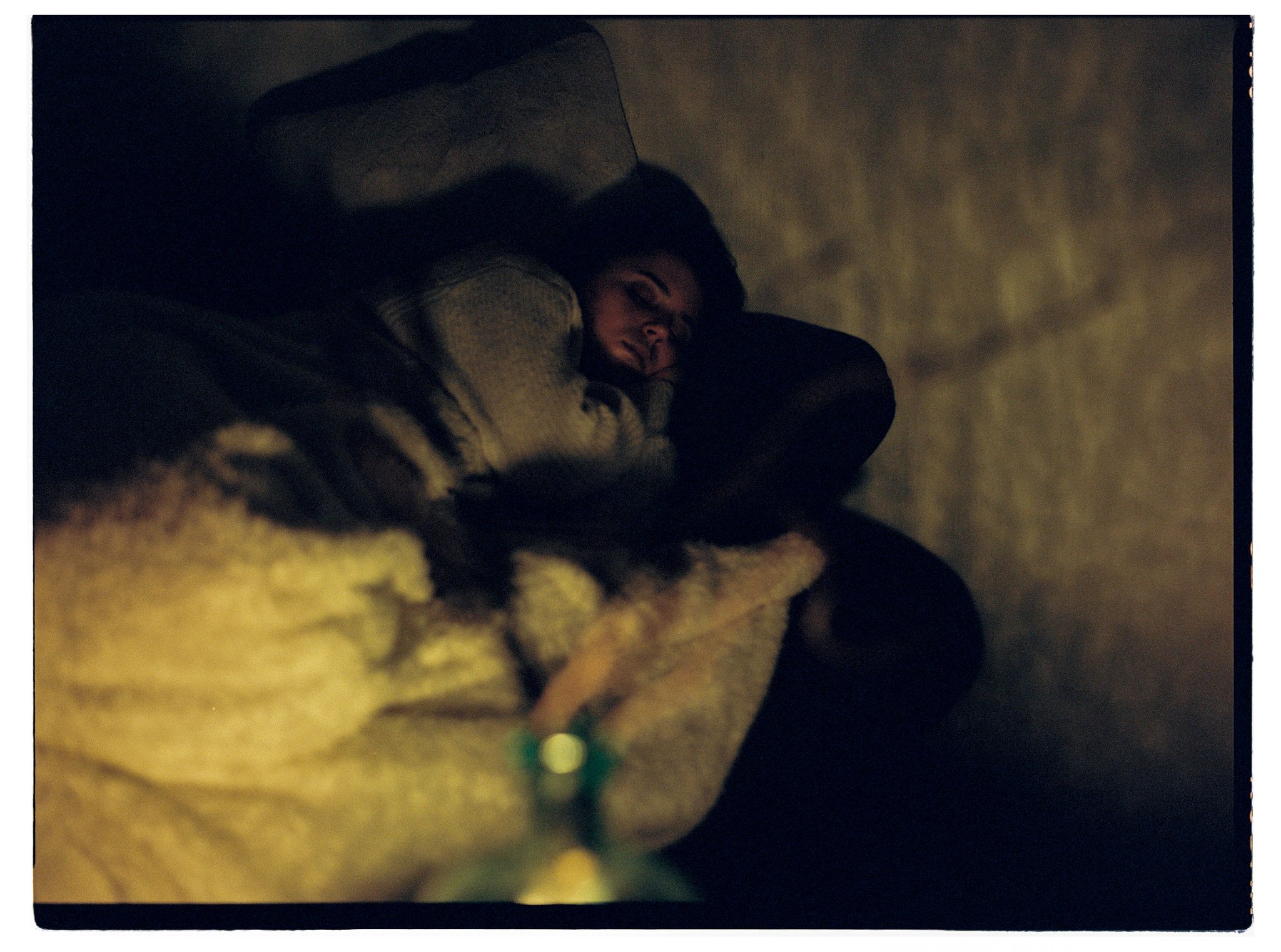
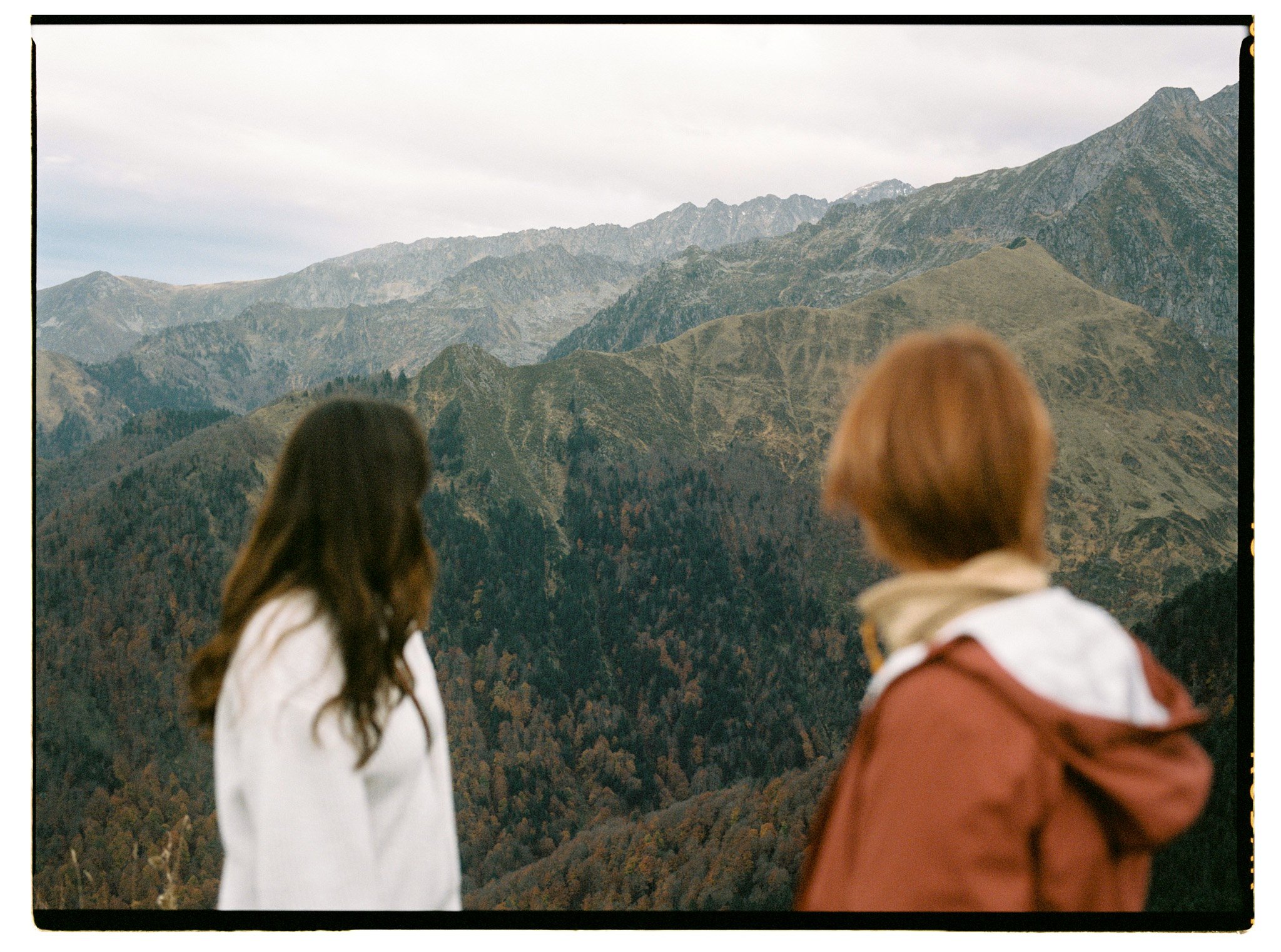
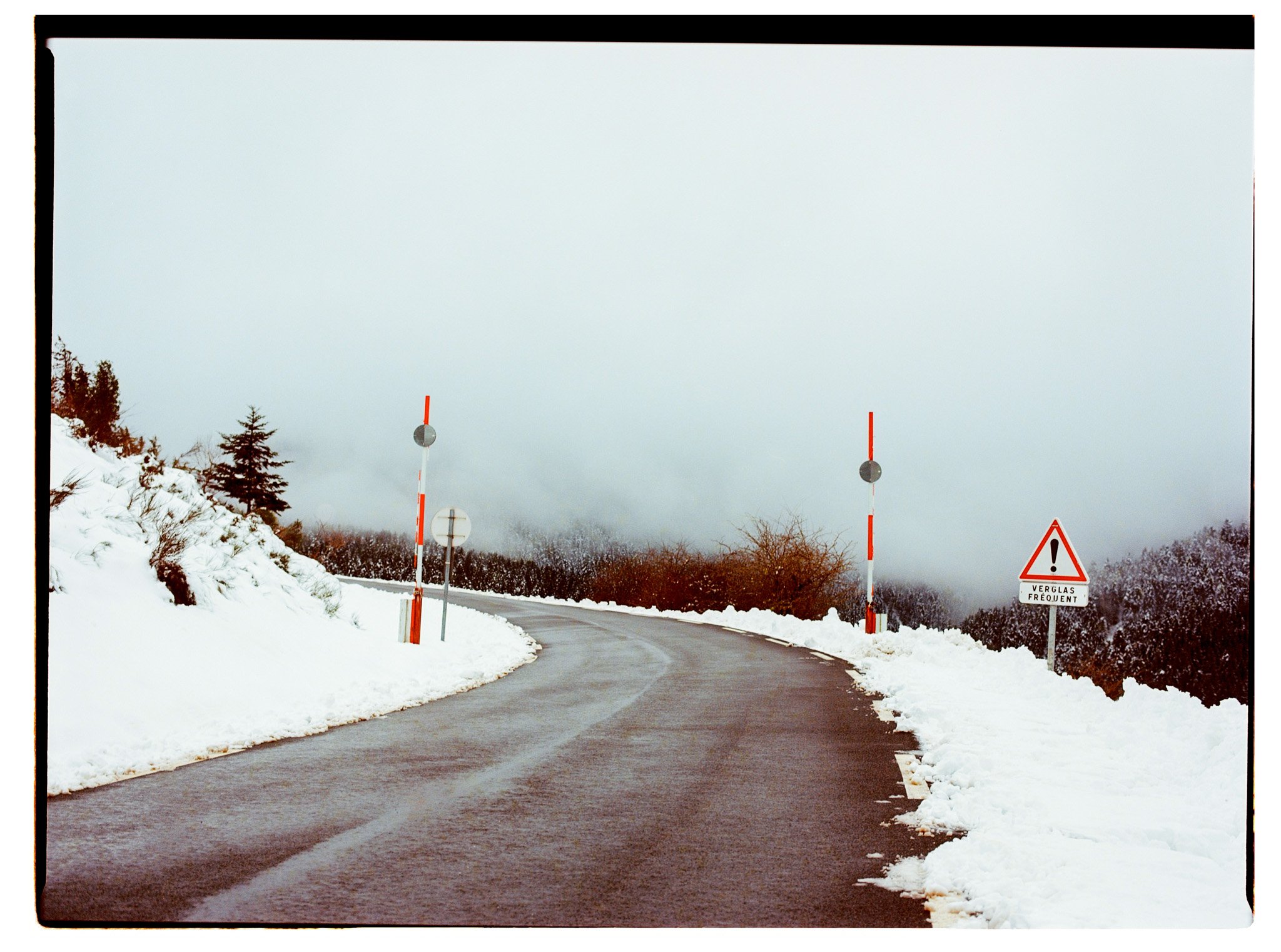
After months of repairs, a few test rolls, and several times the urge to throw it out the window, it's like new. The Mamiya 645.
I talked about it here a little over a year ago. This new format camera I received was defective. I realized it had a problem after the first roll of film I shot with it. The focus was poor in most of the images.
After hours of internet research, dozens of videos, and articles, I realized that most Mamiya cameras had a fragile part that broke over time. This part holds the mirror in the correct position. And when it's defective, the mirror's position is shifted and distorts the focus.
Spare parts for these old cameras have long since ceased to be manufactured, and the only official Mamiya repairer in France no longer operates. But thanks to the internet, I was able to find two resellers on eBay who manufacture this part with a 3D printer.
Following a discussion with the seller of my camera, I decided to keep it and try to repair it myself after a small compensation from him.
So, it was off to long weeks of waiting, adjustments, tests, and a fragile patience that I almost lost several times before the camera was functional again.
I bought the camera with the Mamiya Sekor 80mm f1.9 lens which is a 50mm equivalent on a 24x36 camera and my favorite focal length. This lens is the brightest ever made for a medium format film camera. Even though focusing at full aperture is difficult because of the tiny depth of field, the images it delivers are fantastic.
Although the 6x4.5 format isn't the largest format 120mm film can produce, it's perfectly suited to my needs. Each roll delivers 16 images, compared to 10 on a 6x7 medium format.
It's certainly not the easiest camera to carry, and I'm not sure I'd take it with me on a trip abroad, for example. But the images I've already taken with this combo have that little something magical that I was looking for when switching to this format.